Have you ever looked at a beautiful handcrafted project and wondered how you could make something like that yourself? Well, you’re not alone! Many DIY enthusiasts begin by mastering a few essential tools, and before you know it, they’re creating projects that are both functional and beautiful. This article, “The Ultimate Beginner’s Guide to Workshop Tools: Mastering the Essentials for DIY Success,” is your perfect starting point.
Getting Started with Basic Tools
1. Hammer and Nails
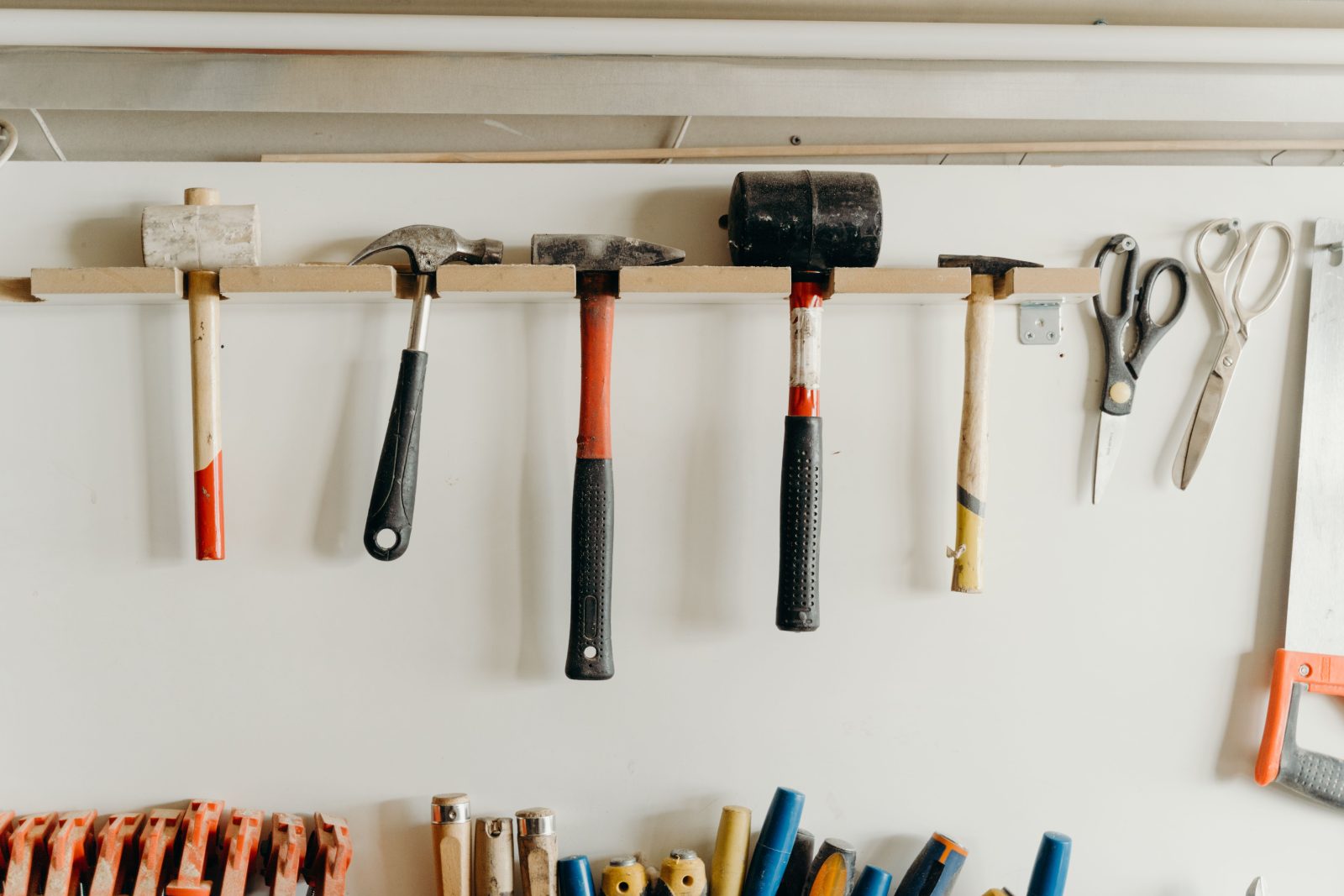
One of the most basic tools you need is a hammer. It’s pretty straightforward—used for driving nails into wood or other materials, and pulling them out too. Start with a medium-weight hammer, it’s versatile and perfect for beginners.
2. Screwdrivers
A set of screwdrivers (flat-head and Phillips) is next on your essential tool list. Whether you’re assembling furniture or fixing a loose hinge, these tools are a must. They come in various sizes, but starting with a few common sizes (like #1 and #2 Phillips, and 1/4″ flat-head) will go a long way.
3. Measuring Tape
Precision is key in DIY projects, which is where a measuring tape comes into play. Whether you’re building a shelf or just hanging a picture, accurate measurement is crucial. A simple 25-foot retractable measuring tape is ideal for most home projects.
4. Pliers
Need to bend, twist, or cut wire? Pliers are your go-to tool. For starters, get a set that includes at least needle-nose and adjustable pliers. They are not only versatile but can save you a lot of struggle with small or tight items.
5. Utility Knife
For all your cutting needs, a sharp utility knife is essential. From opening boxes to trimming wallpaper, it’s a tool you’ll find yourself reaching for frequently. Opt for one with a comfortable grip and replaceable blades.
6. Wrenches
Putting together anything with nuts and bolts? You’ll need wrenches. An adjustable wrench can cover various sizes, making it a space and money saver. For more specialized needs, consider a set of combination wrenches down the road.
7. Level
Nobody likes a slanting shelf. To make sure your projects turn out perfectly aligned, use a level. A standard 24-inch level is easy to use and great for ensuring everything is straight and true.
8. Saw
If your projects include cutting wood, you’re going to need a saw. For beginners, a handsaw is a simple and safe choice. As you get more advanced, you might consider power saws like a circular saw, but always prioritize safety.
Safety First
Whenever you’re using workshop tools, remember that your safety comes first. Always wear protective gear like safety goggles and work gloves. Keep your working area clean and organized to avoid any accidents, and always follow the tool manufacturer’s instructions.
Simple Projects to Get You Started
Now that you’re familiar with the basic tools, why not start a simple project? Try building a small wooden box or a simple birdhouse. These projects are great for practicing measuring, sawing, and using screws or nails.
FAQs: Workshop Tools for Beginners
Q: What should I buy first if I’m setting up a basic workshop for home projects?
A: Start with essential hand tools like a hammer, screwdrivers, measuring tape, and pliers. These cover most basic home repair and simple DIY project needs.
Q: How do I store my tools safely?
A: Keep your tools in a dry, secure place — a toolbox or a pegboard in your garage are great options. Make sure sharp tools are out of reach if you have children at home.
Q: Can kids use these tools for projects?
A: Yes, with adult supervision, older kids can learn to use basic tools. It’s a great way for them to build skills and confidence, but always prioritize safety and proper instruction.
Conclusion
Congratulations! You’ve just taken the first step towards DIY mastery by learning about “The Ultimate Beginner’s Guide to Workshop Tools: Mastering the Essentials for DIY Success.” Remember, the key to success in DIY projects is not just having the right tools but also knowing how to use them safely and effectively. Start with simple projects, be patient with yourself, and most importantly, have fun creating and fixing. Your journey to becoming a skilled DIY enthusiast starts here, so grab your tools and let’s get to work!