Start With a Surprising Fact
Did you know that a lot of accidents at home and in workshops involve hand tools like hammers, screwdrivers, and pliers? It’s true! This shows just how important it is to handle these everyday tools safely and effectively. Today, we’re diving into mastering safety: essential tips for using hand tools effectively and securely. Whether you’re fixing a loose hinge on a door or assembling a new bookshelf, handling tools correctly is key to finishing your project without a hitch—and without a trip to the emergency room!
Understanding the Basics
Before you grab any tool, let’s understand them better. Hand tools are devices that you operate manually without electricity. These include things like wrenches, files, and chisels. Because you control these tools completely by hand, how you use them affects their safety and effectiveness.
Selecting the Right Tool
The first step to mastering safety is choosing the right tool for the job. Each task might need a different tool, and using the wrong one can be unsafe and make your work much harder. For example, using a butter knife instead of a screwdriver to tighten a screw might seem easy, but it’s not only inefficient, it’s also very unsafe. Always make sure you pick the right tool for what you need to do.
Inspecting and Maintaining Your Tools
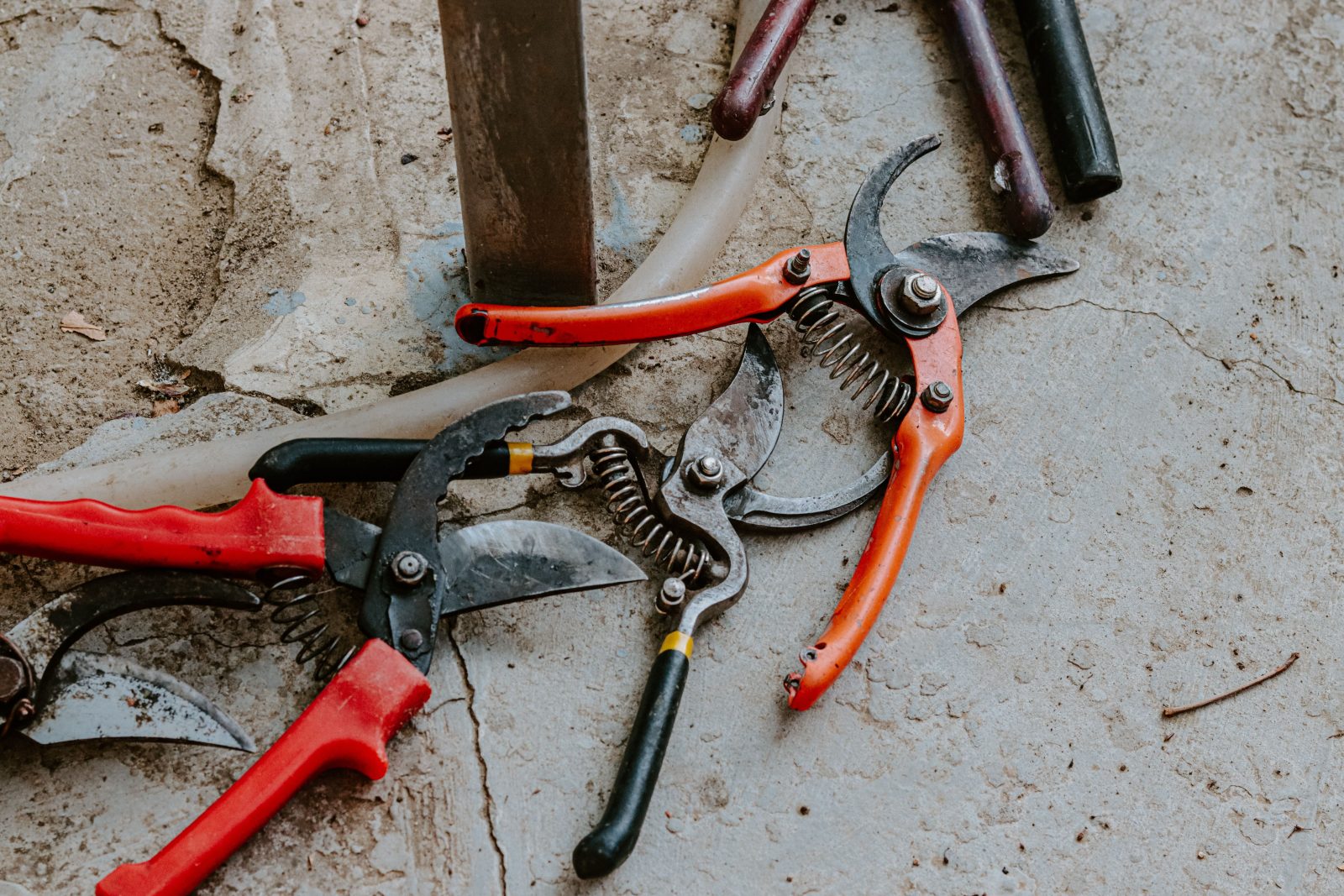
Before you start your project, make sure your tools are in good shape. Check if the handles are tight and not wobbly or cracked. Check the metal parts for any rust, damage, or sharpness. Dull tools can be dangerous as they require more force to use. Remember, well-maintained tools make your job safer and easier.
How to Hold and Handle Tools Safely
There’s a right and a wrong way to hold each tool. When you grip a hammer, for instance, hold the end of the handle to get the best swing and control. When cutting something with a saw or a knife, always cut away from your body. This way, if the tool slips, it won’t come towards you. Also, use steady, controlled motions. Quick or jerky movements can lead to accidents.
Personal Safety Gear
While working with hand tools, you should also protect yourself by wearing the right safety gear. This includes safety goggles to protect your eyes from flying debris, gloves to protect your hands from sharp edges, and ear protection if you’re around loud noises. This gear can make a big difference in preventing injuries.
The Importance of a Clean Workspace
Keep your work area tidy. Tools left lying around can be tripping hazards. Also, when you keep your workplace organized, you find your tools easily, which makes your work smoother and faster. Clear away tools and materials you’re not using and clean up spills immediately to avoid slips and falls.
Using Tools with Care and Precision
Once you are using your tools, focus fully on the task. Don’t rush, and don’t work on something if you’re too tired or distracted. Mistakes often happen when we’re not paying attention. Be patient. Good craftsmanship takes time and precision.
Storing Your Tools Properly
After you’re done with your work, don’t just throw your tools into a drawer or leave them out. Clean them if necessary and store them properly. Hang them up or place them in a tool chest where each item has its spot. This keeps them in good condition and makes them easy to find the next time you need them.
FAQs About Using Hand Tools Safely
Q1: What should I do if I find a crack in my tool?
A1: If a tool is cracked or damaged, it’s best not to use it. Using damaged tools can lead to accidents. It’s safe to either repair it, if possible, or replace it.
Q2: Is it really necessary to wear gloves when using tools?
A2: Yes, gloves protect your hands from sharp edges and can prevent blisters when using tools like shovels or rakes. However, make sure they fit well and don’t slip off.
Q3: How often should I check my tools for wear and tear?
A3: It’s good to inspect your tools regularly, especially before starting a new project. This way, you ensure they are safe to use and function correctly.
Wrapping Up
Mastering safety: essential tips for using hand tools effectively and securely isn’t just about being careful; it’s about being prepared, knowing your tools, and respecting the process. With these tips, you can tackle any home improvement project more safely and confidently. Always remember, the best tool at any job is a safe worker! Keep learning, keep practicing, and most importantly, keep safe!