Title: Essential Hand Tools Every Beginner Should Know: Unleash Your DIY Potential
Have you ever found yourself in a situation where something breaks at home, and you wish you could fix it yourself? Imagine a loose chair leg or a squeaky door hinge that needs tightening. These are common problems that we often encounter, and having the right tools to handle such simple tasks can make life easier and save money. So, if you’re looking to start doing some home projects on your own, there are some essential hand tools every beginner should know that will truly unleash your DIY potential.
The Starter Toolkit
Let’s jump right into the essentials you’ll want to have on hand. Each of these tools serves a specific purpose, and knowing when and how to use them will kickstart your journey into the world of do-it-yourself projects.
1. Hammer: Your New Best Friend
The hammer is one of the most basic and versatile tools in any toolkit. It’s primarily used to drive nails into wood or other materials and to pull nails out. For starters, a claw hammer, which has a flat side for driving and a claw for pulling out nails, is ideal. It’s great for everything from hanging pictures to assembling furniture.
2. Screwdrivers: Turning Things Around
A set of screwdrivers (both flat-head and Phillips) is crucial. These are used for inserting and tightening, or loosening screws. From tightening cabinet handles to assembling a new bookshelf, screwdrivers are indispensable. For a beginner, it’s handy to have a variety of sizes.
3. Measuring Tape: Precision is Key
When you embark on any project, measuring accurately is very important. Whether you’re cutting a piece of wood to a certain length or hanging wall art, a good 25-foot measuring tape can be your guide to precision. It makes sure that everything you do fits perfectly and looks right.
4. Pliers: Grip and More
Pliers are great for holding objects firmly, and they can also be used to bend or twist metal wires or strips. Having both needle-nose pliers and regular slip-joint pliers can cover most of your needs. They are particularly useful for tasks that require extra grip strength, such as fixing a leaky faucet or bending metal hooks.
5. Wrench: Loosen Up
A wrench is a tool used for gripping and turning nuts, bolts, and other fixtures. An adjustable wrench is particularly useful because it can be altered to fit different sizes, making it very versatile for various household tasks.
6. Utility Knife: Cut it Out!
Having a utility knife is essential for cutting through material like cardboard, rope, or vinyl. Whether you’re opening packages or trimming wallpaper, a sharp utility knife makes the job smoother and easier.
7. Level: Keep it Straight
Used to ensure everything is perfectly horizontal or vertical, a level is critical when you’re putting up shelves or mounting frames. No one likes a tilted shelf or a skewed photo frame!
How to Use These Tools Effectively
Now that you know what essentials you need, it’s just as important to learn how to use them effectively. Always ensure that you’re working in a safe environment—wear protective eyewear and gloves where necessary. Start with small, simple projects to build your confidence and capability. Read or watch tutorials for the specific project you’re working on, and always double-check measurements before cutting or making alterations.
Frequently Asked Questions (FAQs)
Q1: What should I buy first if I can’t get all the tools at once?
A1: Start with a hammer, a set of screwdrivers, and a measuring tape. These are fundamental tools for most basic projects.
Q2: Where should I keep my tools?
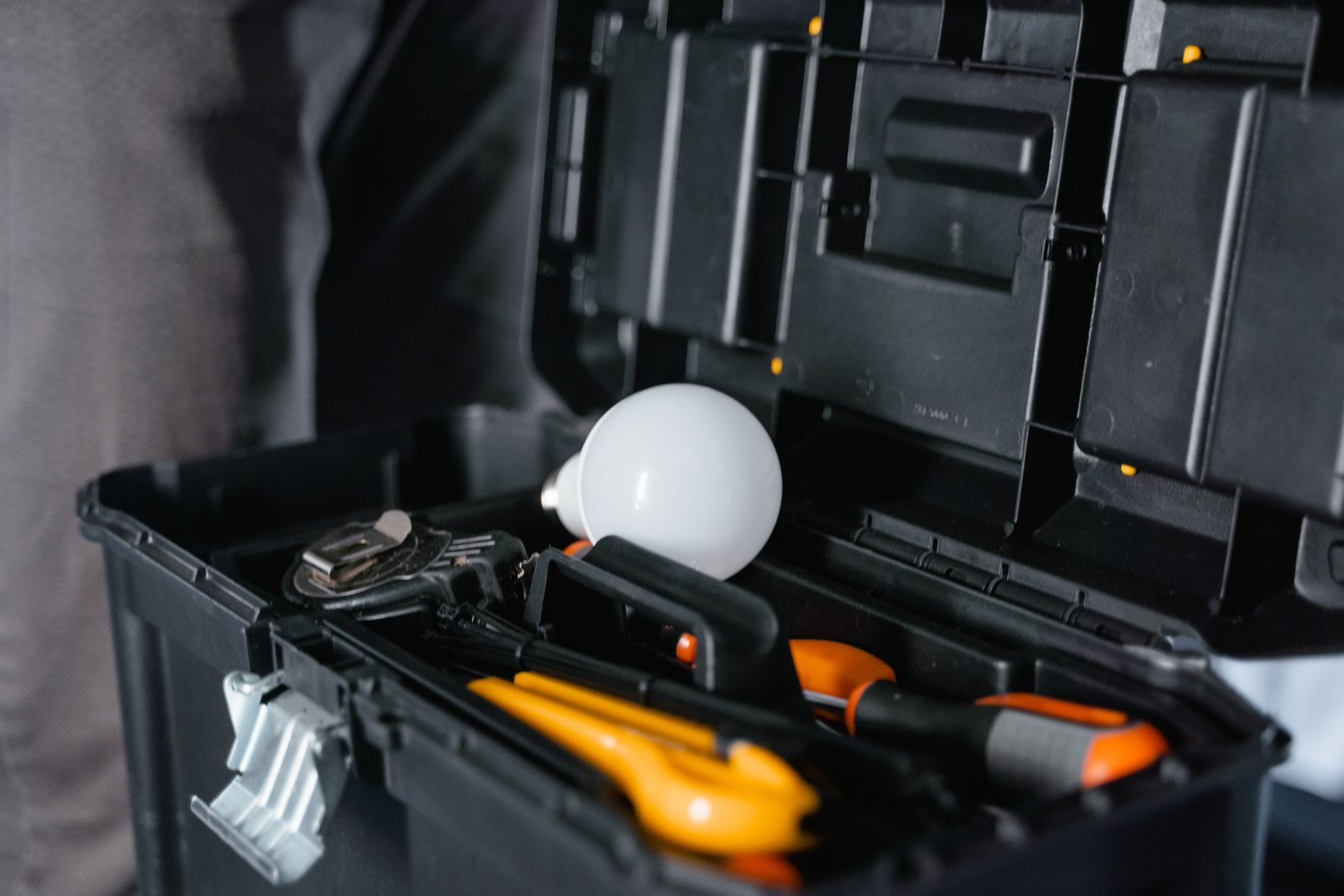
A2: Keep your tools in a toolbox or a tool drawer. Keeping them organized will protect them from damage and make them easy to find when you need them.
Q3: Is it expensive to buy good quality tools?
A3: You don’t need to break the bank to get good quality basic tools. There are many affordable options that are durable enough for beginner projects. However, investing in slightly better quality tools can be worthwhile as they often last longer and perform better.
Conclusion
Stepping into the world of DIY with the essential hand tools every beginner should know not only saves you money and time but empowers you to create and maintain your home according to your needs and preferences. Start building your toolkit gradually, practice regularly, and soon, you’ll be handling home repairs and projects with confidence and ease. Remember, every master was once a beginner—start small and dream big!