
Best Angle Grinders for Metal Cutting: Comprehensive Guide and Expert Reviews
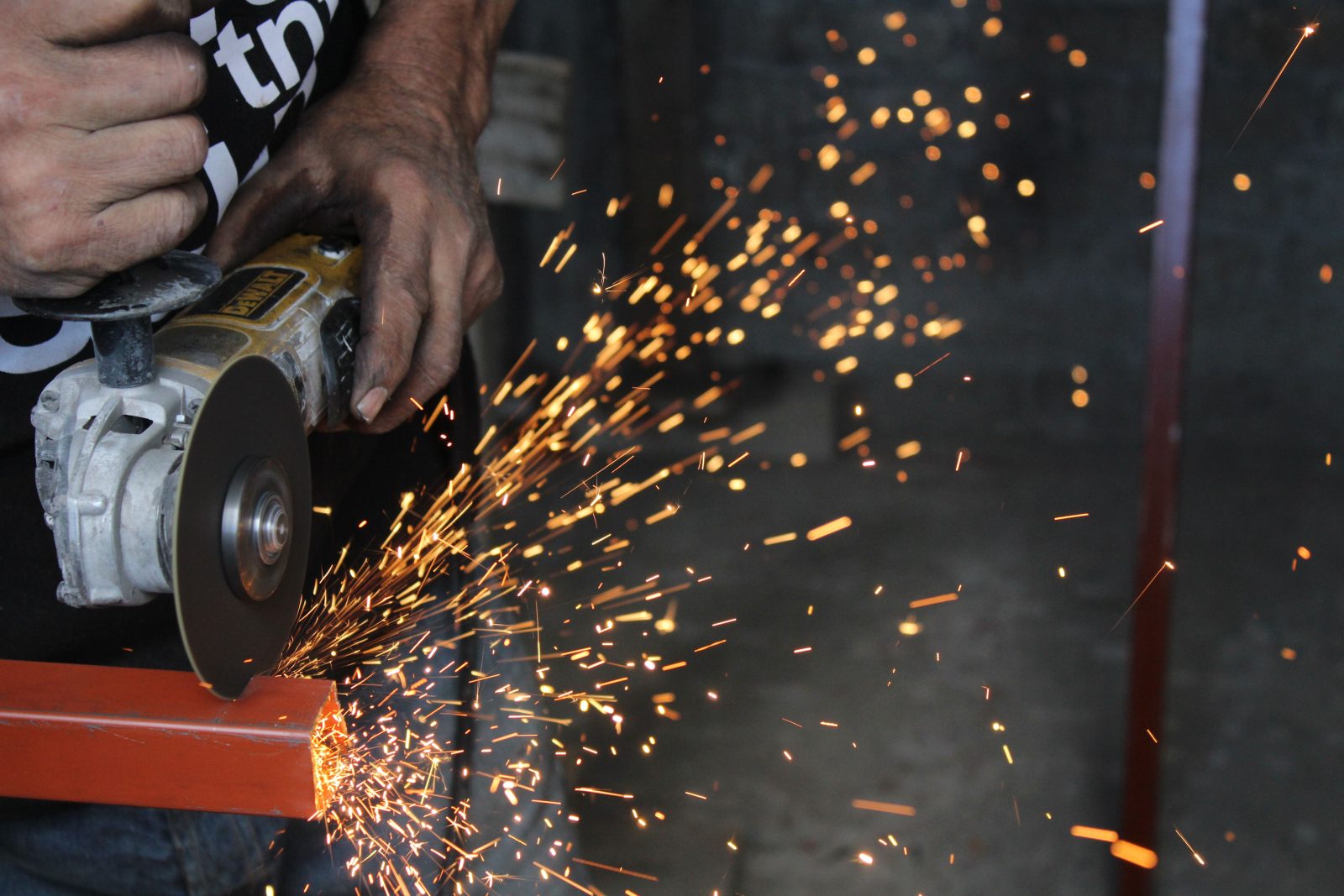
Have you ever stood in the aisle of a hardware store, bewildered by the array of power tools before you? Selecting the right tool for a specific job, like cutting metal, can feel like navigating a labyrinth. Today, we narrow that maze down to one vital tool: the angle grinder. Known for its versatility, the angle grinder is indispensable for metal cutting, but not all grinders are created equal. This guide will arm you with knowledge about the best angle grinders specifically suited for slicing through metal effortlessly and safely.
From professional fabricators to weekend garage tinkerers, an angle grinder is a must-have tool. Yet, the market is flooded with options, each boasting unique features and capabilities. How do you choose the grinder that will deliver precision without overstraining your budget? By focusing on key attributes such as power, durability, and ergonomic design, we’ve curated a list of the top performers that promise to enhance your metal cutting experience.
Our selections are based on rigorous expert reviews, user feedback, and hands-on testing. Whether you’re making intricate metal art or handling rugged construction projects, the right angle grinder can significantly broaden your creative and functional horizons. Let’s delve into what makes these tools worthy of your toolkit, ensuring you’re equipped to make an informed purchasing decision.
1. DeWalt DCG413B 20V MAX Brushless Cut Off Tool/Grinder
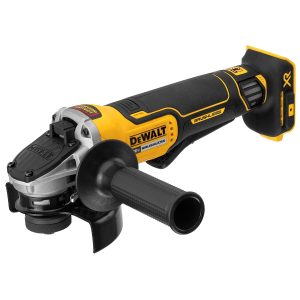
The DeWalt DCG413B stands out in the realm of angle grinders with its brushless motor that not only enhances efficiency but also extends the tool’s lifespan. Ideal for metal cutting, this cordless model offers exceptional freedom of movement without sacrificing power.
Key Benefits
- Extended lifespan with brushless motor technology
- Cordless design for better portability
- Efficient metal cutting with minimal sparking
- Enhanced control with a paddle switch design
Citing from real-world applications, users praise the DeWalt DCG413B for its robust performance in cutting through rebar, steel pipes, and sheet metal. Its safety features, such as a Kickback Brake that engages when a pinch, stall, or bind-up event is sensed, make it an ideal choice for both novices and professionals.
Despite its numerous strengths, it is important to note that as a battery-powered tool, its runtime might be limited compared to corded models. For extended use, keeping spare batteries or planning for periodic recharging is advisable.
2. Makita 9557PBX1 4-1/2″ Paddle Switch Cut-Off/Angle Grinder
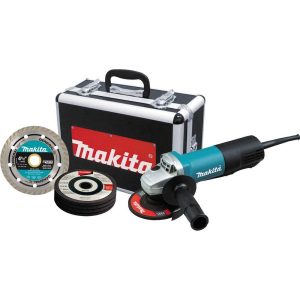
The Makita 9557PBX1 combines power with manageability. It boasts a high-output motor that can tackle the toughest cutting jobs. More compact in design than many competitors, this tool brings a balance of performance and ease of use.
Key Benefits
- Powerful motor suited for heavy-duty jobs
- Compact and lightweight for enhanced maneuverability
- Includes a protective case and cutting discs
Specifically designed for professional use, this angle grinder excels in cutting metal, tile, and masonry. Its small circumference barrel grip makes it easy to handle for prolonged periods without fatigue. Users appreciate the inclusion of a protective zig-zag varnish seals armature for enhanced durability against dust and debris.
However, users should be aware that while it is highly durable, its intensive vibration requires careful handling to maintain precision in cuts. An added auxiliary handle can help mitigate this issue, providing better control during extensive use.
Expert Tips
When using angle grinders for metal cutting, always ensure that you are using the correct disc type for metal as other disc types may shatter. Additionally, wearing appropriate safety gear like gloves, goggles, and ear protection cannot be overstressed. Start with a lower speed setting to gauge the material’s reaction to cutting before full-scale cutting.
Common Mistakes to Avoid
Beginners often make the mistake of applying excessive pressure on the angle grinder, which leads to premature wear of the cutting disc and can also pose safety risks. Let the tool do the work. Another frequent oversight is neglecting to check the compatibility of the cutting disc with the material and the grinder’s speed settings, which can result in inefficient cutting and potential hazards.
Frequently Asked Questions
Can angle grinders cut thick steel plates?
Yes, with the right disc, angle grinders can cut through thick steel plates. However, for very thick plates, more powerful or specialized tools might be more efficient.
Are cordless angle grinders as powerful as corded ones?
Modern advancements in battery technology have significantly closed the gap. However, for long-duration heavy-duty cutting tasks, corded grinders might still hold a slight edge in power continuity.
How often should I replace the cutting disc?
The lifespan of a cutting disc depends on its material and usage frequency. Inspect your disc regularly for wear and damage, and replace it when you notice significant wear or any damage.
Is there a risk of the angle grinder kicking back?
Kickback can occur if the grinder snags or binds with the material. Always holding the grinder securely with two hands and standing off to one side can help manage kickback.
What is the optimum speed setting for cutting metal?
This can vary depending on the metal type and thickness, but generally, a medium to high setting is effective for most metals.
Can I use an angle grinder for finishing work on metals?
Yes, by using different attachments like wire brushes or flap discs, you can perform finishing work such as polishing or cleaning welds.
Final Thoughts
Selecting the right angle grinder for metal cutting can streamline your projects, enhance efficiency, and result in cleaner cuts. By considering the DeWalt DCG413B or Makita 9557PBX1, among others, you’re investing in reliable tools that stand the test of time and the rigors of metal work. Remember to match your choice with your specific needs and always prioritize safety in your operational practices. Happy cutting!