Starting with a Relatable Problem
Have you ever been in a hurry to finish a project and skipped reading the instruction manual of a new tool, only to end up with a big mess or, worse, an injury? It’s a common mishap, and it reminds us why paying attention to safety is crucial when using tools, whether they’re simple screwdrivers or more complex power tools.
Common Tool Safety Mistakes to Avoid
When working on any project, big or small, using tools improperly can lead to accidents. By understanding some of the common tool safety mistakes to avoid, you can protect yourself and others around you. Let’s dive into these safety tips with simple explanations:
- Not Wearing Protective Gear: Just like superheroes wear armor to protect themselves, you need the right safety gear when working with tools. Gloves, goggles, ear protection, and sturdy shoes can shield you from potential hazards like flying sparks, loud noises, and sharp objects.
- Ignoring the Instruction Manual: Imagine you’re trying to play a new video game but you skip the tutorial. You wouldn’t know what buttons to press, right? It’s the same with tools. Always take time to read the manual before you start using a new tool. This helps you understand how to use it correctly and safely.
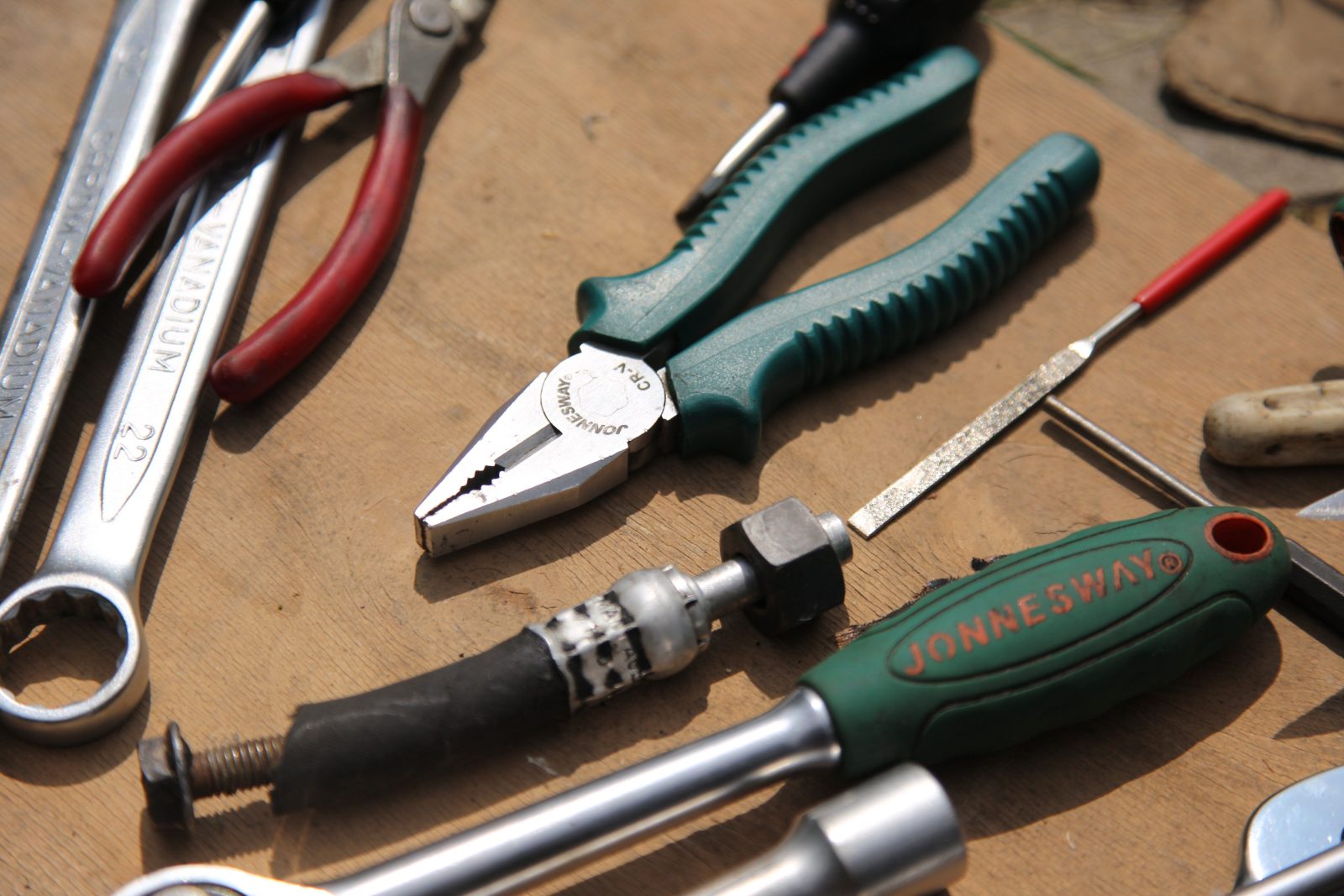
- Using the Wrong Tool for the Job: Using a butter knife to tighten a screw might seem like a quick fix, but it’s not only inefficient, it’s also risky. Always use the proper tools for the tasks at hand to avoid damaging the tools, the materials, or yourself.
- Leaving Tools Plugged In or Powered On: Imagine leaving your smartphone on the edge of a table with small children around. It could easily fall and break. Similarly, always unplug or turn off power tools when they’re not in use. This prevents accidental starts, which can be dangerous.
- Overlooking Regular Maintenance: Tools, like bikes or skateboards, need regular check-ups. If the chain on your bike broke while riding, you’d probably fall and get hurt. Tools can wear out or get damaged, too. Check them regularly and fix or replace parts as needed to keep them in good working condition.
- Working in a Cluttered Space: Trying to do homework on a messy desk can make it hard to focus and easy to lose things. Working with tools in a cluttered space is similar but can lead to serious accidents. Keep your workspace clean and organized to minimize risks.
- Ignoring Personal Limits: We all feel like superheroes sometimes, but overestimating your abilities with tools can lead to mistakes. If you’re tired, distracted, or not feeling well, it’s better to take a break or ask for help rather than risking an accident.
Frequently Asked Questions (FAQs)
Q: What is the most important safety gear when using tools?
A: While all safety gear is important, eye protection is crucial because our eyes are extremely vulnerable to injury from flying particles and debris.
Q: Why is it bad to use damaged tools?
A: Using tools that are broken or worn out increases the risk of them malfunctioning. For instance, a damaged electrical cord can cause a shock or even start a fire.
Q: How often should I check my tools for wear and tear?
A: It’s good practice to inspect your tools before and after each use. Additionally, perform a detailed check-up periodically, such as every few months, depending on how frequently you use them.
Conclusion
Remember, taking a few extra minutes to ensure you’re using tools safely can save a lot of trouble and pain. Always wear the right protective gear, read the instruction manual, choose the correct tool for the job, and keep your tools and workspace tidy and safe. By steering clear of these common tool safety mistakes, you’ll make any project safer and more enjoyable. And remember, it’s okay to ask for help if you’re unsure about how to safely handle a tool. Stay safe and keep building skills safely!