Have you ever ended up in a pickle trying to put together a shelf or fix a loose hinge, only to realize you don’t have the right tools for the job? Well, you’re not alone! Many beginners face similar challenges. This essential guide to choosing the best power tool sets for beginners will walk you through all you need to know to pick the perfect set, significantly easing your DIY projects.
What is a Power Tool Set?
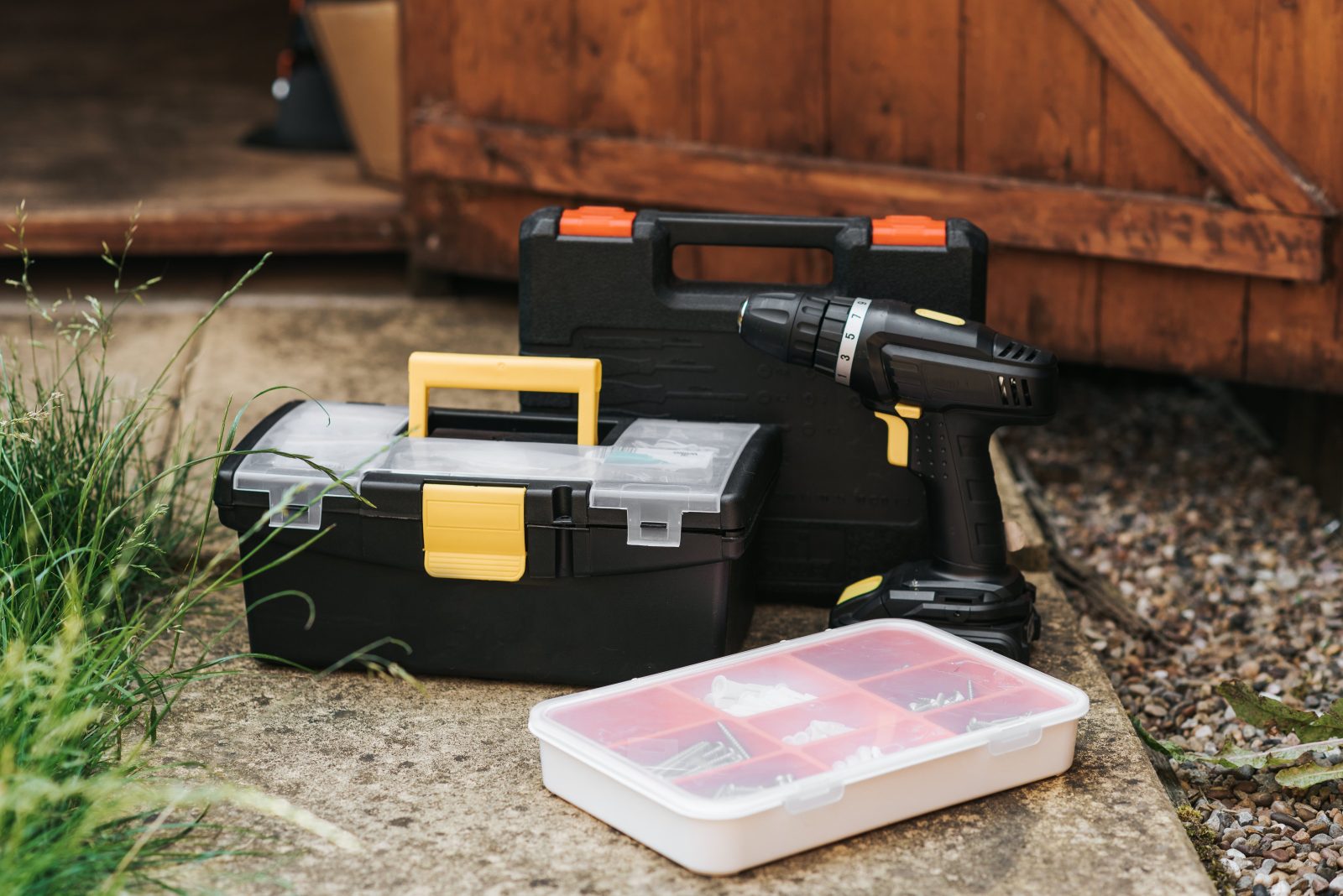
A power tool set typically includes various gadgets you’ll use for general fixing, assembling, and crafting projects. These sets commonly feature devices like drills, saws, and sanders, each powered either by electricity or a battery. The main advantage of owning a power tool set is possessing a broad array of tools in one kit, which saves both time and space.
Why Do People Buy Power Tool Sets?
The main reason to invest in a power tool set is convenience. Whether hanging a picture frame, building a table, or trimming your garden hedge, having the right tools at your fingertips makes any task quicker and easier. Especially for beginners, power tool sets offer a foundational toolkit to start handling basic home maintenance and repairs themselves.
Key Features to Look For
When you are on the hunt for the best power tool set for beginners, here are a few essential features to consider:
Versatility: Look for a set that includes the most commonly used tools like a drill, screwdriver, saw, and sander. The more versatile the set, the better prepared you will be for a variety of tasks.
Power Source: Choose between corded and cordless options. Cordless tools offer greater mobility since they’re not tethered to an electrical outlet, but corded tools don’t run out of battery and typically provide more power.
Battery Life (for cordless): If opting for cordless tools, check the battery life and recharge time. Lithium-ion batteries are preferable due to their long life and quick charging capabilities.
Ease of Use: As a beginner, pick tools that are easy to handle and operate. Features like lightweight design, ergonomic grips, and simple control settings can make all the difference.
Things to Check Before Buying
- Read Reviews: See what other buyers are saying about the tool set on Amazon.com. User reviews can provide real insight into the performance and longevity of the set.
- Consider the Manufacturer: Buying from a reputable brand generally means better product quality and customer service.
- Check for Warranty: A decent warranty will protect your purchase in case of any defects or issues.
Who It Is Best For
Power tool sets are ideal for beginners who are just starting out with home projects and repairs, or even more experienced DIYers looking to replace or supplement their current tool collections.
Common Mistakes to Avoid
- Overspending on professional-grade tools: As a beginner, high-end, professional tools might be overkill and an unnecessary expense.
- Underestimating the importance of tool quality: While staying budget-conscious, avoid the cheapest options as they may not perform well or last long.
- Ignoring tool safety features: Especially important for beginners, safety features are a must-check.
Helpful Buying Tips
- Consider your needs: Think about the types of projects you plan to tackle. This will help determine which tools are essential for your set.
- Start small: You can always add more specialized tools to your collection later as your skills and needs grow.
- Look for combo deals: Some sets include extra batteries or additional tools at no extra cost, providing more value for your money.
Short FAQ Section
Q1: How much should I expect to spend on a beginner’s power tool set?
A: Beginner sets can vary, typically ranging between $50 to $200 depending on the brand and number of tools included.
Q2: Are heavier power tools better?
A: Not necessarily for beginners. Lighter tools are easier to handle, reducing fatigue and making them more user-friendly for newbies.
Q3: Can I buy individual tools instead of a set?
A: Yes, but a set might offer more value and convenience, especially for beginners looking to cover the basics with one purchase.
Conclusion
Choosing the right power tool set doesn’t have to be complicated, even for beginners. By focusing on essential features, understanding your needs, and avoiding common pitfalls, you can select a set that will not only meet your current demands but also serve you well as your DIY skills expand. Remember, the best toolkit is the one that fits your projects, budget, and pace of learning. Happy tool hunting on Amazon.com!