

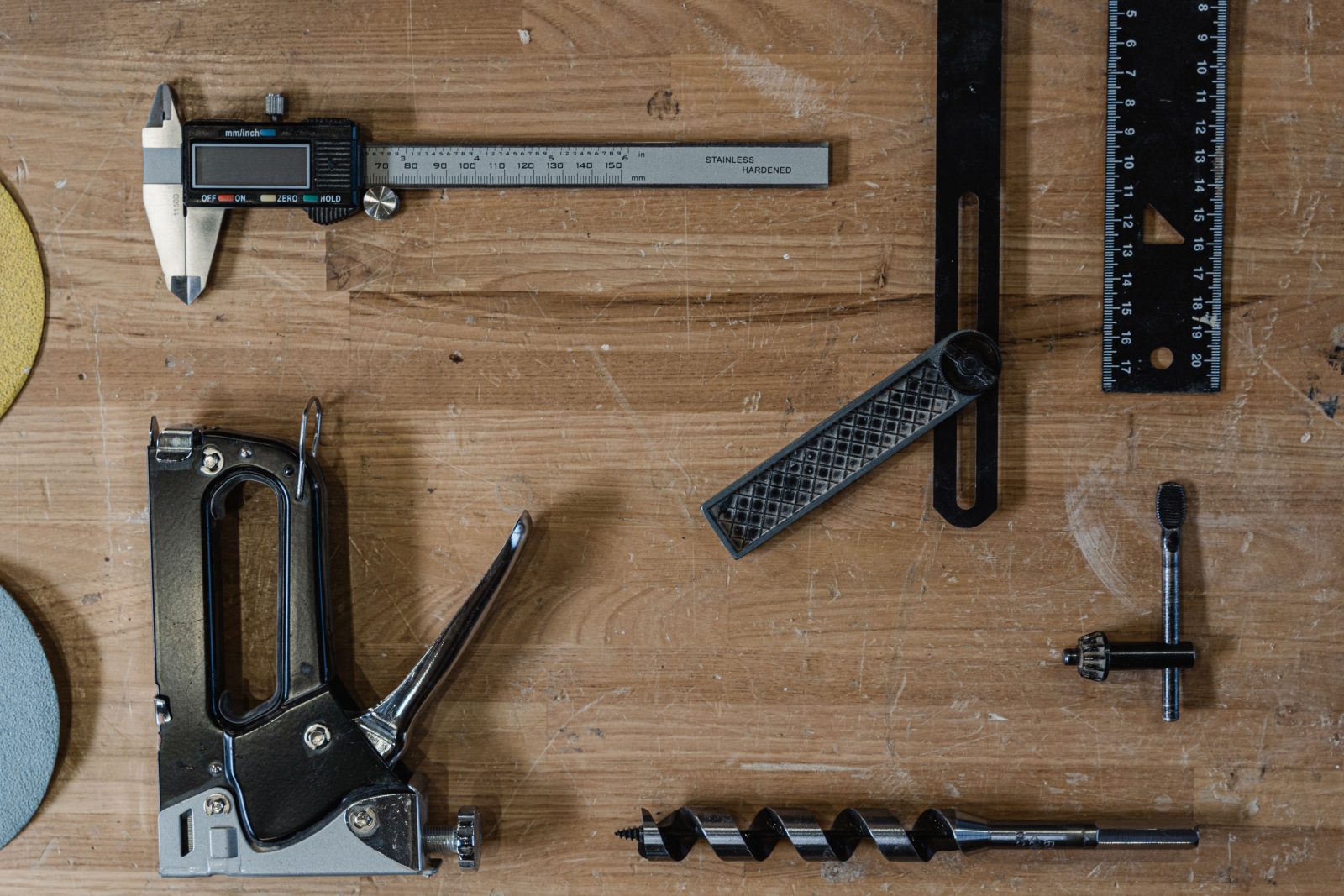
Top Choices for Best Micrometers: Precision Measuring Tools for Professionals
Ever found yourself meticulously comparing two closely contesting final products only to realize later that your measurement tool was off by a fraction? Precision in measurement is a cornerstone for professionals in engineering, manufacturing, and several other fields where accuracy is non-negotiable. This indispensable importance brings us to micrometers, a quintessential instrument for providing exact measurements down to the micron. The myriad options of micrometers available today can make selecting the perfect one a substantial task. In this guide, we’ll explore some of the finest micrometers tailored for various professional needs, ensuring reliability and precision for every task you undertake.
When selecting a micrometer, certain factors like build quality, brand reputation, and additional features play a crucial role. Brands like Mitutoyo, Starrett, and Fowler have established themselves as leaders in precision tools, compiling years of trust and technological advancement into each product. As we dive into the specifics of each micrometer, it will become apparent what sets these tools apart and why they stand out as top choices for professionals seeking dependable precision measuring tools.
Mitutoyo 293-340-30 Digital Micrometer
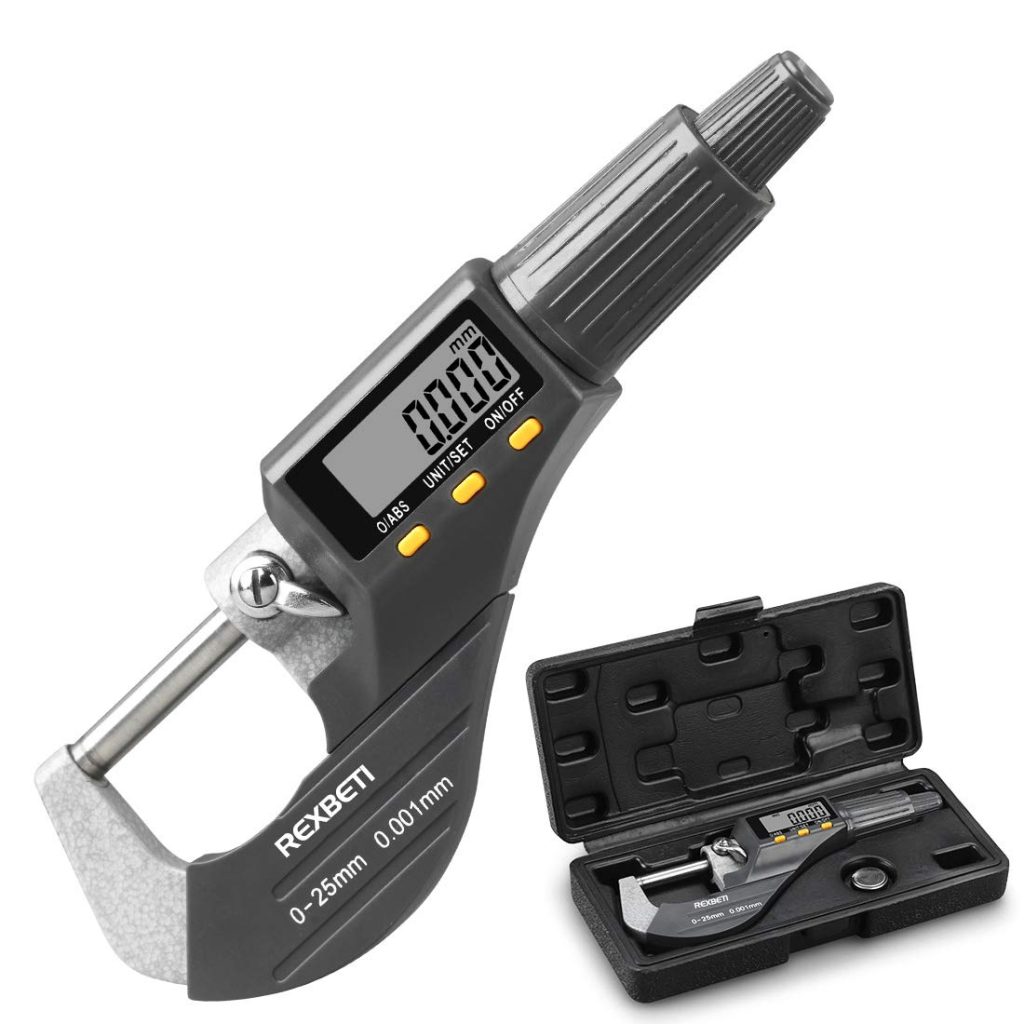
The Mitutoyo 293-340-30 stands out with its advanced digital interface, which offers ease of reading thanks to a large LCD. Ideal for environments where time and accuracy are paramount, this micrometer promises efficiency and precision.
Pros
- Highly precise digital readings
- IP65 protection against dust and water
- Automatic off feature saves battery
- Smooth ratchet thimble mechanism
- Large, easy-to-read LCD display
Cons
- Higher price point compared to analog models
- Requires battery changes
Key Features & Benefits
The Mitutoyo 293-340-30 Digital Micrometer is distinguished by its precision engineering, capable of delivering measurements with an accuracy of ±0.00005 inches. It’s this level of accuracy that makes it a favorite among professionals. Moreover, the ratchet thimble mechanism ensures consistent measurement pressure, an often overlooked but crucial factor in precise measurements. What makes this micrometer especially appealing is its resistance to environmental factors. Certified with an IP65 rating, it ensures that performance is not hindered by dust or moisture, a significant benefit in unforgiving workshop conditions.
Digital micrometers like the Mitutoyo 293-340-30 cater more to professionals who deal with high-volume measuring where time efficiency is critical. Its electronic display negates any parallax error and provides rapid readings, which enhances productivity–a game-changer in environments where every second count.
Starrett 436.1 Outside Micrometer
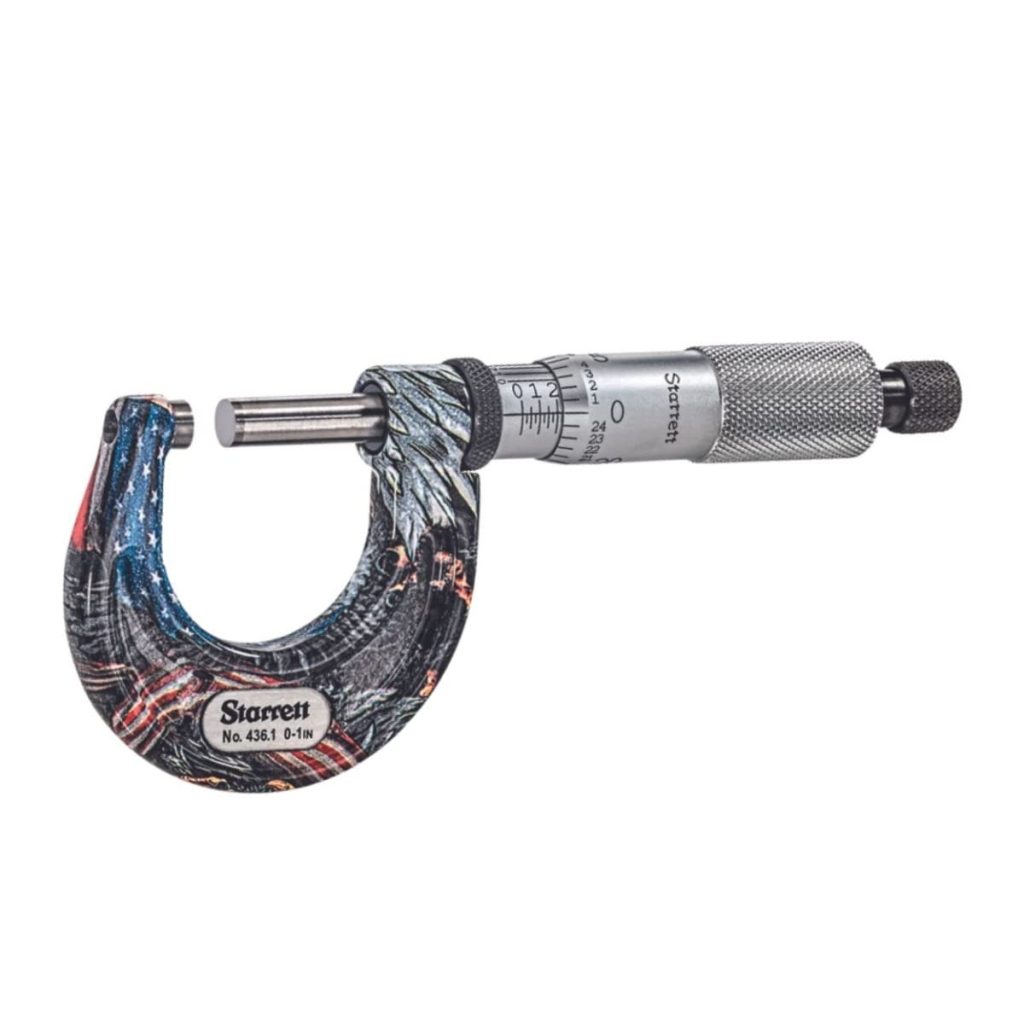
Crafted for durability and precision, the Starrett 436.1 is known for its traditional design and rugged construction, offering professionals in fields from machining to industrial engineering a reliable tool for precise measurements.
Pros
- Extremely durable frame
- Precision ground and balanced spindle
- Carbide faces for extended longevity
- Analog readout eliminates battery worries
- Known for consistency across measurements
Cons
- Lacks digital readout features
- Requires manual calibration
Key Features & Benefits
The Starrett 436.1 excels where most modern devices falter – longevity and timeless efficiency. The frame, made from a hardened, stabilized steel, ensures that the micrometer retains its calibration over extended periods. Carbide measuring faces resist wear and maintain precision, crucial for consistent usage. This tool exemplifies a classic approach to precise measurements and does not rely on electronic components, thereby reducing the need for frequent maintenance or battery replacements.
With its meticulously balanced spindle and clear graduations, the Starrett 436.1 is perfect for those who value tactile feedback and the satisfaction of manual measurement. It’s particularly suited for educational environments where understanding the fundamentals of precision measuring is as important as the measurement itself.
How to Choose the Right Top Choices for Best Micrometers: Precision Measuring Tools for Professionals
Choosing the right micrometer involves more than just picking from the top brands like Mitutoyo, Starrett, or Fowler. Consider factors such as material resilience, measurement range, ease of use, and additional features like digital readouts or environmental protection ratings. Budget also plays an essential role; investing in a slightly higher-priced, durable micrometer can save money in the long run due to its longevity and reliability. Additionally, think about maintenance and calibration needs–some tools require regular calibration to maintain accuracy, while others are designed to hold their calibration longer under rigorous use.
FAQ
What is the importance of the material in a micrometer?
Materials used in micrometers affect their durability and precision. Hardened steel or carbide-tipped measuring surfaces offer better wear resistance and maintain accuracy over time.
How often should a micrometer be calibrated?
Frequency of calibration depends on usage intensity. For professional use, calibration might be necessary every few months. For less frequent use, annual calibration might suffice.
Can digital micrometers be used in all environments?
Digital micrometers are not suitable for high-moisture or dusty environments unless specifically rated for such conditions, look for IP ratings like IP65 for suitable options.
Are there significant differences between brands?
Yes, different brands might offer unique features, build qualities, and warranties that could be deciding factors based on your specific needs.
Is it better to have more features or a straightforward micrometer?
This depends on your specific needs. If you require high precision and different measurement types, opt for a feature-rich model. However, for general purposes, a simple, robust micrometer might suffice.
Should I choose a mechanical or digital micrometer?
Choose a digital micrometer for efficiency and ease of reading, particularly in high-volume settings. Opt for a mechanical model for durability and reliability without the need for batteries.
Conclusion
Investing in the right micrometer can significantly impact the precision and efficiency of your work, whether you’re a mechanic, an engineer, or a machinist. Considering tools like the Mitutoyo Digital Micrometer for high-tech, accurate readings, or the Starrett traditional model for reliable, long-term use without the complexity of digital elements can guide you toward making the best choice for your specific professional demands. Ultimately, selecting a micrometer that aligns with your practical requirements and budget considerations will prove to be a valuable addition to your toolkit, serving you faithfully in your pursuit of precision.