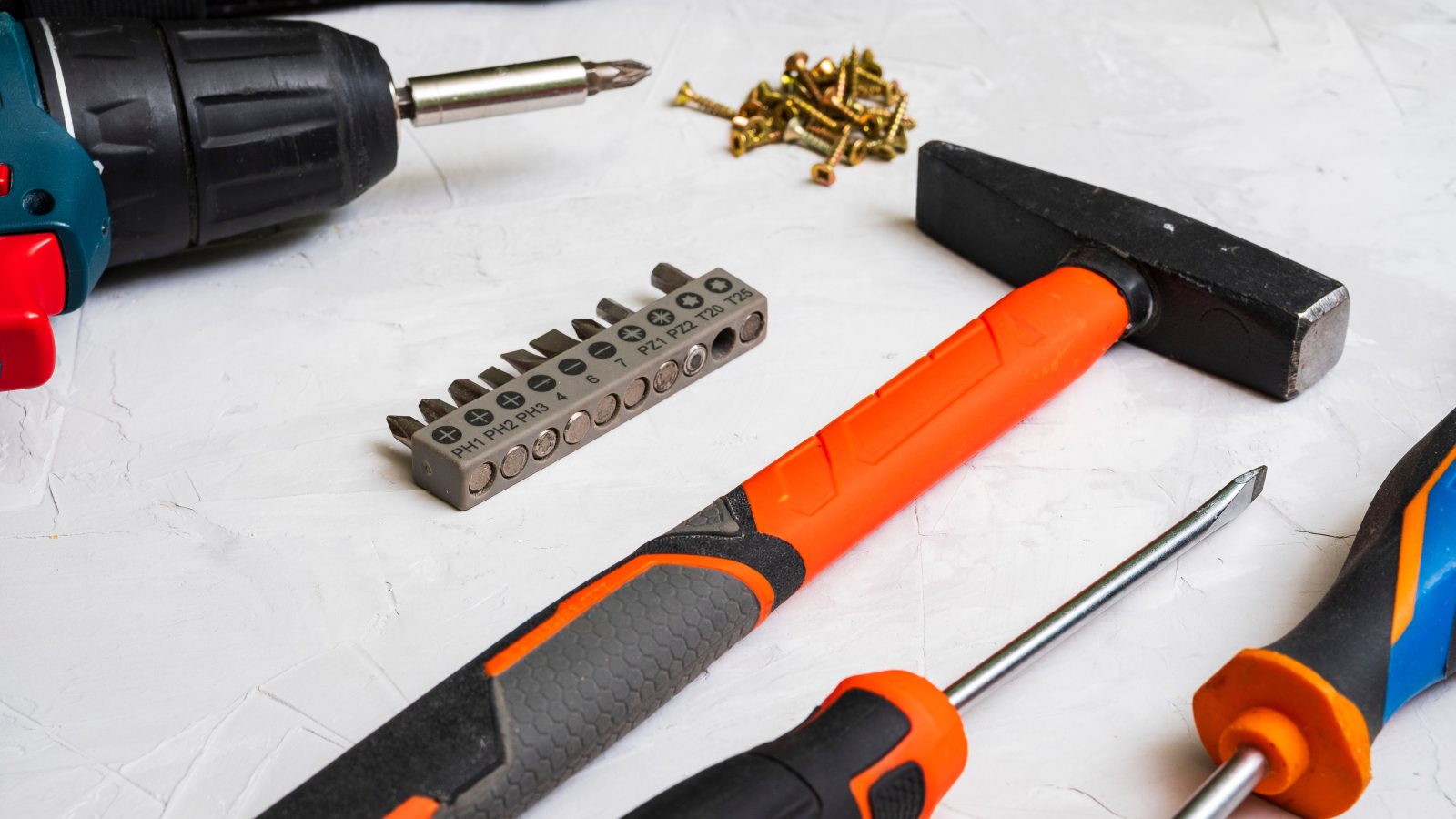
Have you ever found yourself standing in the tools section of a store, unsure whether a Milwaukee or Bosch hammer drill would better suit your needs? You’re not alone. Choosing the right tool can be confusing, especially with so many options available. Today, we’re going to delve deep into the Milwaukee vs Bosch hammer drill: features, to help you make an informed decision.
Quick Overview of Both Products
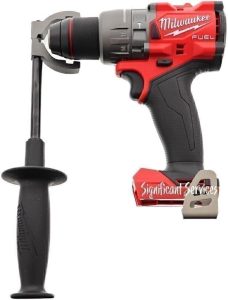
Milwaukee Hammer Drill: Known for its robust build and high performance, Milwaukee’s hammer drills are favored by professionals and serious DIYers. These drills often feature advanced technology for enhanced power and battery efficiency.
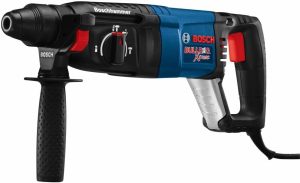
Bosch Hammer Drill: Bosch offers a range of hammer drills that excel in precision and ergonomics. Popular among both casual users and professionals, Bosch drills are designed with user comfort and control in mind.
Who Each Product is Designed for
Milwaukee: These drills are typically geared towards professionals and advanced users who require top-tier power and durability for heavy-duty tasks.
Bosch: Bosch drills, while still powerful, are often more suited to home use and for those who prioritize ease of use and ergonomic design.
Side-by-Side Comparison Table
| Feature | Milwaukee Hammer Drill | Bosch Hammer Drill |
|---|---|---|
| Power Output | High | Moderate to High |
| Weight | Heavier | Lighter |
| Ergonomics | Standard | Advanced |
| Battery Efficiency | Excellent | Very Good |
| Price Range | Higher | Moderate |
Design and Build Quality
Milwaukee hammer drills are generally heavier, built to withstand tough conditions and prolonged use. They often have a solid, rugged design meant to handle the rigors of a construction site.
Bosch hammer drills lean towards a more compact and user-friendly design. They focus on reducing user fatigue with lighter materials and better balance.
Features Comparison
Milwaukee:
- Advanced brushless motors for increased power and battery life.
- REDLINK PLUS™ Intelligence for overload protection.
- High-performance drilling speeds.
Bosch:
- KickBack Control for increased user safety.
- EC Brushless motor for efficient power usage.
- Vibration Control for more comfortable long-term use.
Performance Comparison
When it comes to raw power, Milwaukee often has the edge, especially for demanding tasks. Bosch, while slightly less powerful in some models, provides ample power for most tasks with added stability and precision.
Comfort and Ease of Use
Bosch’s drills often win on comfort, featuring lower vibration levels and lighter designs which make them easier to use, especially for extended periods.
Durability and Reliability
Both brands manufacture drills that are highly durable. However, Milwaukee’s models are specifically designed to endure more severe job site conditions. Bosch also provides reliable performance, with an added focus on maintaining tool longevity through robust construction.
Maintenance and Warranty
Both brands offer similar warranty periods and have excellent customer service. Regular maintenance advice for both includes keeping the drill clean and checking for wear on parts.
Price and Value for Money
Bosch hammer drills often come in at a lower price point, making them excellent value, especially for casual or less frequent users. Milwaukee, while more expensive, provides powerful tools that could be worthwhile for heavy users.
Pros and Cons of Each Product
Milwaukee:
- Pros: High power output, durable, great battery life.
- Cons: Heavier, more expensive.
Bosch:
- Pros: Good balance and ergonomics, lower vibration, more affordable.
- Cons: Less suited for heavy-duty tasks.
Which Product is Best for Beginners
Bosch hammer drills are generally more user-friendly and comfortable, making them ideal for beginners.
Which Product is Best for Advanced Users
Advanced users will appreciate Milwaukee’s high performance and durability under tough conditions.
Which Product Offers the Best Value
For casual to moderate use, Bosch offers the best value for money. For intensive use, investing in a Milwaukee might be the better option due to its long-term reliability under strenuous conditions.
Common Mistakes Buyers Make When Choosing Between These Products
Many buyers overestimate the power they need, leading to overspending. Evaluate what you actually need a drill for before deciding.
Frequently Asked Questions (FAQ)
Q1: Can I use these hammer drills for regular drilling?
Yes, both brands offer models that can function as regular drills when the hammer function is turned off.
Q2: Do they come with batteries?
It depends on the package. Some kits include batteries and a charger, while others are tool-only.
Final Verdict: Which Should You Buy?
For Beginners: The Bosch hammer drill, with its ease of use and ergonomic features, is more suitable.
For Advanced Users: The Milwaukee hammer drill, with its robust performance and durability, will meet the demands of heavy-duty projects.
For Budget-Conscious Buyers: Bosch provides a reliable, cost-effective solution.
For Professionals: Milwaukee stands out for those who require a drill that can consistently handle tough jobs.
Deciding between a Milwaukee vs Bosch hammer drill ultimately boils down to what you need the tool for, your budget, and how often you will use it.