

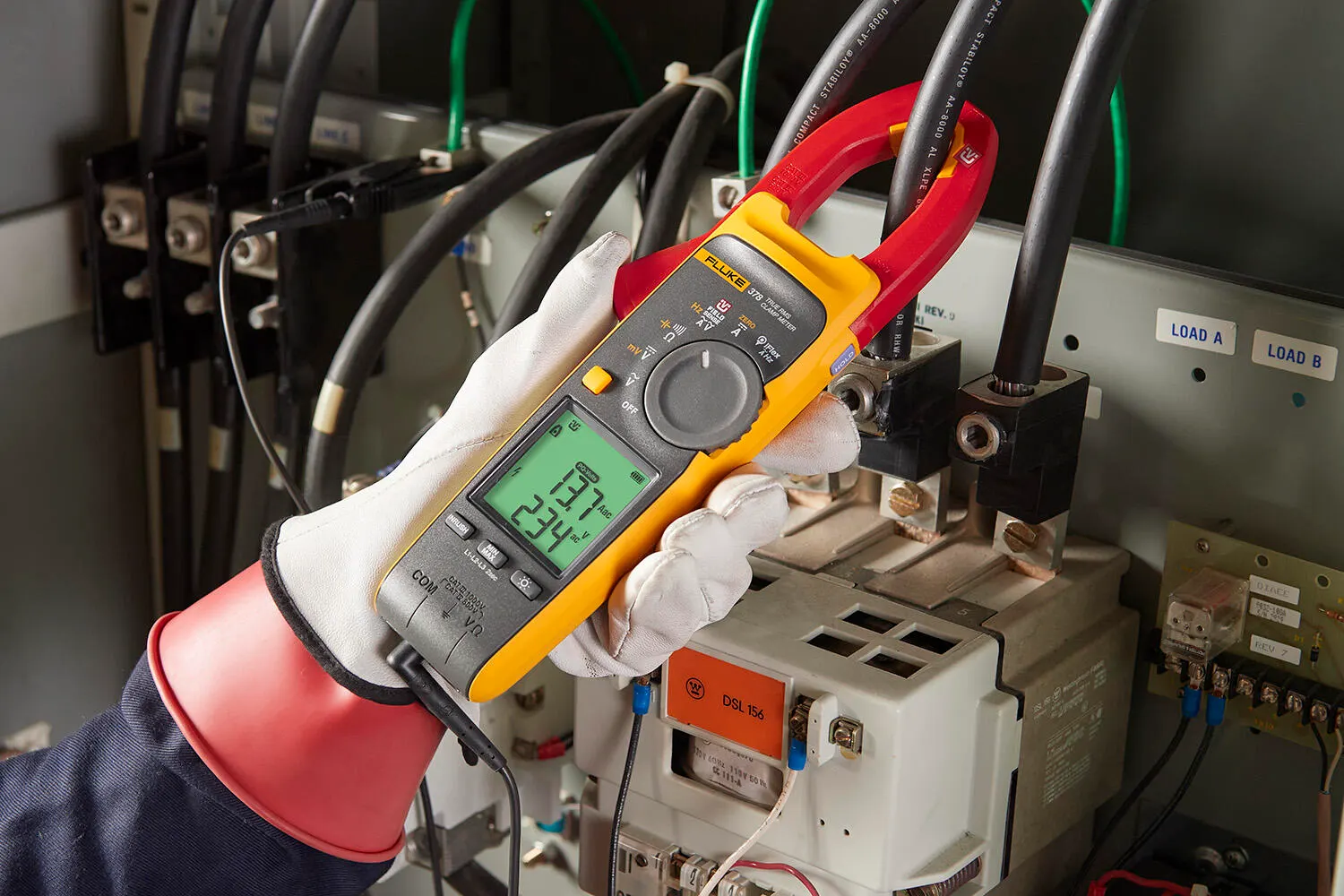
Top Features to Look For in the Best Clamp Meters
Imagine setting out to solve a complex electrical problem, only to find that the effectiveness of your diagnostic tool is hitting below the mark. This is a common frustration for many professionals and DIY enthusiasts alike, who require reliable instrumentation to carry out their work efficiently. A clamp meter often sits at the heart of electrical troubleshooting, blending convenience with comprehensive functionality. In this guide, we’ll dive into the essential features to consider when selecting top-notch clamp meters designed to deliver precision and ease in various measuring tasks.
Clamp meters have revolutionized the way electric currents are measured, offering the ability to measure without direct contact with the conductor. This feature alone makes it an invaluable tool in any electrician’s toolkit. However, the best clamp meters are those that balance performance with sturdy design, user-friendly interfaces, and additional functionalities like temperature measurements or connectivity options. Let’s explore what makes a clamp meter not just good, but great, to ensure you pick the right one for your needs.
Fluke 376 FC True-RMS Clamp Meter
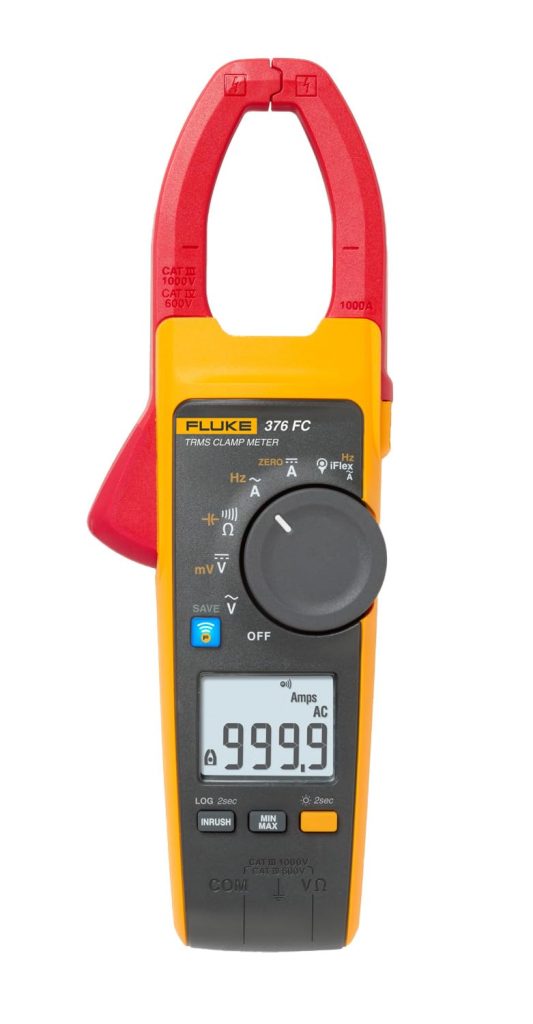
The Fluke 376 FC stands out as a robust tool engineered to offer extensive capabilities to professionals who need a reliable meter in tough environments. Known for its precision and resilience, the 376 FC integrates advanced troubleshooting features suited for high-current scenarios.
Pros
- True-RMS voltage and current measurements
- iFlex flexible current probe which expands the measurement range to 2500 A AC
- Integrated VFD low-pass filter for accurate motor drive measurements
- Bluetooth connectivity enables wireless data logging
- Robust, ergonomic design suited for rugged industrial applications
- CAT IV 600V, CAT III 1000 V safety rating
Cons
- Higher price point than some other models
- Might be too advanced for casual or non-professional use
Key Features & Benefits
The Fluke 376 FC distinguishes itself with the iFlex flexible current probe. This innovative feature allows for easier access to large conductors in tight spaces, while expanding the measurable current range significantly. More importantly, this meter provides accurate readings even when dealing with fluctuating signals thanks to its True-RMS capability, making it invaluable for complex diagnoses on VFD systems or other noisy equipment.
Further enhancing its user experience is the Bluetooth connectivity, which permits users to log and monitor readings remotely through their mobile device, streamlining the data collection process significantly during extensive troubleshooting tasks. This function, paired with its rugged build, ensures that the meter can withstand the wear and tear of industrial environments without compromising performance.
How to Choose the Right Top Features to Look for in the Best Clamp Meters
Choosing the right clamp meter is crucial for ensuring reliable, accurate measurements across various electrical tasks. Here are several key features to consider:
Performance
Performance is the bedrock of any functional clamp meter. Look for models with True-RMS measurements for non-linear loads, particularly useful in industrial environments. The range of current and voltage the device can measure, along with its accuracy, is vital.
Build Quality and Durability
Considering that a clamp meter is often used in rugged, industrial settings or cramped electrical panels, a robust build quality is essential. Opt for devices with tough, durable cases, and secure battery compartments. Safety ratings, such as CAT III and CAT IV, indicate a higher resistance to voltage spikes and are critical for work in high-energy environments.
Features
Additional features, such as a backlit display, built-in flashlight, or temperature measurement, can enhance usability. Advanced connectivity features like Bluetooth for remote monitoring can be particularly useful in complex systems or environments hazardous for prolonged human presence.
Comfort and Ease of Use
A user-friendly interface and design are important, especially for tasks requiring frequent meter use over long hours. Look for meters with ergonomically designed handles and intuitive controls. A well-balanced tool reduces hand fatigue, making your job easier.
Budget
Finally, weigh the features against your budget. Higher-end models offer greater functionality and long-term reliability, which may be necessary for professional settings. However, more basic models might suffice for household or occasional use.
FAQ
What is a True-RMS clamp meter?
A True-RMS (Root Mean Square) clamp meter provides precise readings when measuring both pure and non-linear currents, making it invaluable in industrial environments where equipment often creates variable voltage.
Can clamp meters measure DC current?
Yes, many clamp meters are capable of measuring both AC and DC current. However, it’s crucial to confirm this feature before purchase, as some models might only measure AC.
Is a higher CAT rating always better?
A higher Category (CAT) rating indicates that the clamp meter can tolerate higher tests voltages and is more resistant to energy surges. This is especially important for industrial environments or working with high-energy circuits.
What should I do if my clamp meter’s readings are inconsistent?
Inconsistent readings can be due to a variety of factors including low battery, need for calibrating, or a fault in the meter itself. Check the battery, calibration settings, and ensure the meter is set up correctly according to the manufacturer’s instructions.
Can I use a clamp meter on live circuits?
Yes, one of the advantages of a clamp meter is the ability to measure currents without direct contact with the conductor, which allows for safe measurements of live circuits.
Are there clamp meters that also serve as multimeters?
Some clamp meters come equipped with additional functionalities that allow them to be used as multimeters, measuring voltage, resistance, continuity, and other electrical parameters.
Conclusion
While there are numerous factors to consider when purchasing a clamp meter, focusing on key features such as accuracy, durability, and additional functionalities will guide you toward a selection that best fits your professional or personal demands. Remember, a high-quality clamp meter not only enhances the efficiency of electrical tasks but also increases safety by providing reliable measurements. Carefully matching your specific needs with the capabilities of different clamp meter models will ensure that you invest in a tool that continues to perform in various scenarios for years to come.