Have you ever found yourself standing in the power tools aisle, a little mystified by the variety of options? Especially when selecting a cordless drill?
When it comes to home improvement or DIY projects, choosing the right cordless drill can be a daunting task. Two of the most popular brands on the market are Makita and Ryobi. In this detailed comparison – Makita vs Ryobi Cordless Drill: Unveiling the Best Tool for Your DIY Projects – we’ll dive deep into what makes each brand stand out, helping you make a confident decision based on your budget, needs, experience level, and intended use.
Quick Overview of Both Products
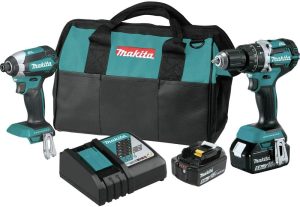
Makita drills are often celebrated for their robust construction and reliability, built to cater to professionals and serious DIY enthusiasts. They boast high-performance capabilities with advanced technologies that aim to enhance user productivity.
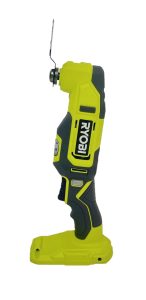
Ryobi, on the other hand, is known for providing practical, user-friendly options at a more affordable price point. They are perfect for home users or hobbyists who require tools for occasional, less demanding tasks.
Who Each Product Is Designed For
Makita: Ideal for professional tradespeople and advanced DIYers who need durable, high-performance tools for frequent, heavy-duty use.
Ryobi: Best suited for casual or beginner DIYers who prioritize ease of use and affordability over professional-grade performance.
Side-by-Side Comparison Table
| Feature | Makita | Ryobi |
|---|---|---|
| Battery Power | 18V | 18V |
| Torque | Higher torque for tough tasks | Adequate for general DIY tasks |
| Speed Settings | Multiple speed and torque settings | Basic variable speed control |
| Weight | Generally heavier | Lighter, easier to handle |
| Price | Higher | More affordable |
| Warranty | 3 years (limited) | Variable, generally less than Makita |
Design and Build Quality
Makita cordless drills are designed with a ruggedness suited for tough job sites, featuring metal gears and mechanical components encased in a durable housing.
Ryobi’s design is more focused on being lightweight and compact, using durable plastics and ergonomic handles to enhance user comfort without sacrificing too much on durability.
Features Comparison
Makita drills often come with brushless motors that offer better efficiency and longer life, LED lights for workspace illumination, and battery indicators.
Ryobi offers similar features but may lack the advanced motor technology of Makita. However, they do include user-friendly features like magnetic bit holders and onboard storage for convenience.
Performance Comparison
Makita excels in performance with faster drilling speeds, more power, and endurance, making it suitable for a wide range of materials and tougher jobs.
Ryobi performs well for basic tasks around the house like assembling furniture, hanging pictures, or light carpentry work.
Comfort and Ease of Use
Makita drills are designed considering the fatigue factor in professional settings, but they might feel heavier, which could be a downside for non-professional users.
Ryobi focuses on a balance of power and user comfort, making their models lighter and easier to use, especially for extended periods.
Durability and Reliability
Makita is known for its reliability over years of usage, backed by a solid warranty and excellent customer service.
Ryobi offers decent durability for occasional use but may not withstand the test of time with frequent heavy use as Makita does.
Maintenance and Warranty
Makita offers a more comprehensive warranty, reflecting their confidence in a higher build quality. Maintenance is straightforward, mostly revolving around proper battery care and storage.
Ryobi provides a satisfactory warranty, but the term and coverage might be less extensive than Makita. Maintenance needs are similarly minimal, focusing on battery management and tool cleanliness.
Price and Value for Money
Makita is priced higher, but for a significant segment of users, the investment is justified by the tool’s performance and longevity.
Ryobi, offering a more budget-friendly price, represents excellent value for money, especially for less demanding tasks and users.
Pros and Cons of Each Product
Makita Pros:
- Superior build and performance
- Longer battery life
- Robust for professional use
Makita Cons:
- More expensive
- Heavier
Ryobi Pros:
- Cost-effective
- Lightweight and user-friendly
- Sufficient for home use
Ryobi Cons:
- Less powerful
- Not intended for heavy-duty applications consistently
Which Product is Best for Beginners
For beginners, Ryobi offers an uncomplicated introduction to DIY projects, with easy-to-use features and an approachable price point.
Which Product is Best for Advanced Users
Advanced users will find Makita’s high-performance tools more capable of handling diverse and challenging projects.
Which Product Offers the Best Value
For casual or infrequent users, Ryobi provides the best value, balancing cost and functionality efficiently.
Common Mistakes Buyers Make When Choosing Between These Products
Many buyers overestimate their needs, opting for more expensive tools than necessary, or underestimate, choosing less capable tools that might not perform well for intended tasks.
Frequently Asked Questions (FAQ)
Can Makita batteries be used on Ryobi tools?
- No, each brand uses its own battery design and platform.
Are these drills suitable for drilling into concrete?
- Makita yes, especially with a hammer drill model; Ryobi, only with appropriate models and not for intense, regular use.
Final Verdict: Which Should You Buy?
If you are a newbie or hobbyist looking for a decent drill for occasional tasks around the house, Ryobi is an excellent and affordable choice.
For the professionals or serious DIYers needing a durable tool that can withstand rigorous use, Makita, despite being pricier, will provide superior performance and resilience.
Cordless drills are pivotal in many home improvement projects, and selecting the correct one can greatly affect the efficiency and enjoyment of your work. By understanding your needs and comparing what Makita and Ryobi offer, you can choose the best cordless drill that ensures satisfactory results for your specific projects. Whether you decide to go with Makita or Ryobi, each brand offers distinct advantages that cater to different user profiles, guaranteeing that there’s a perfect tool out there for everyone.