

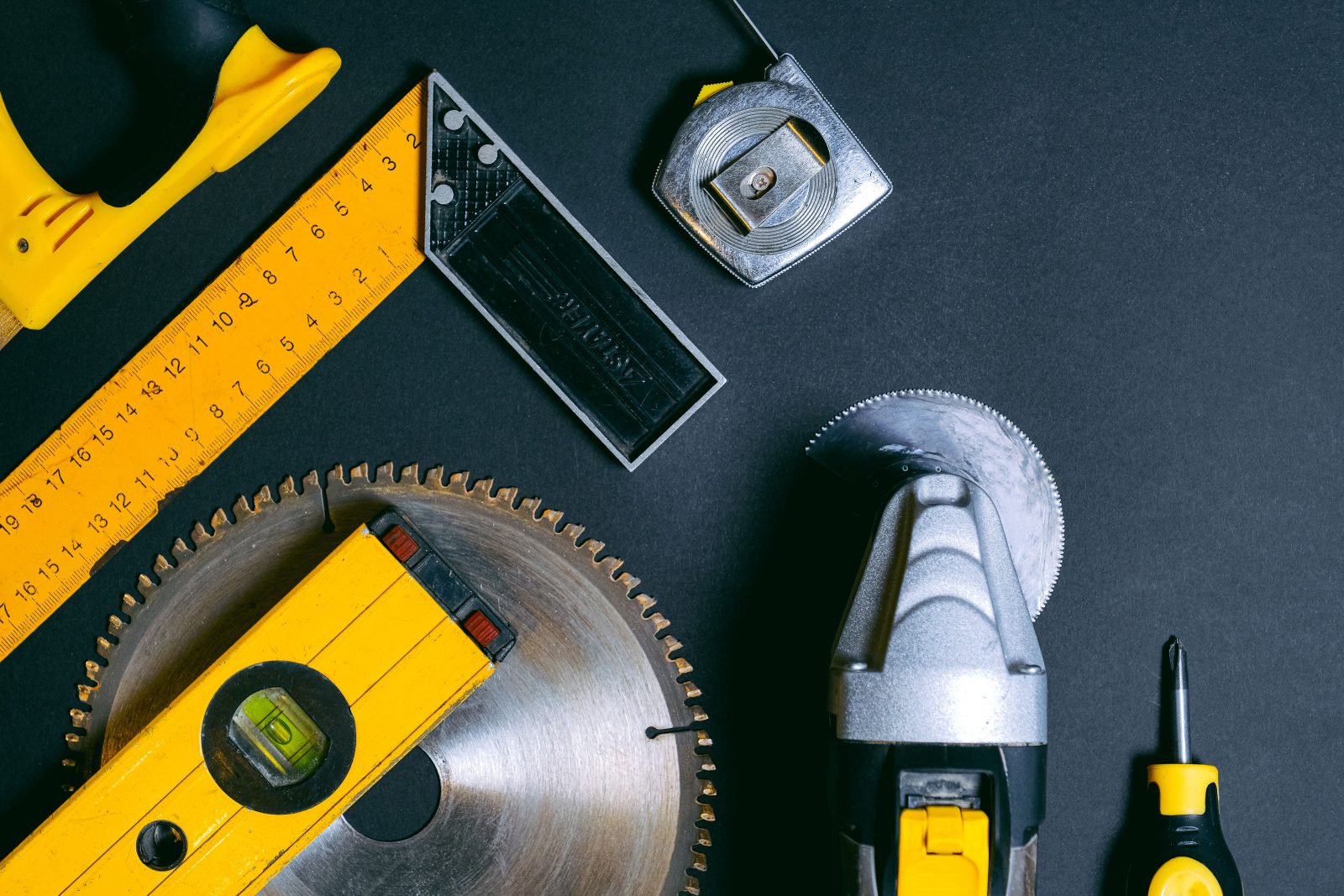
Unveiling the Best Stud Finders: Essential Tools for Home Improvement Projects
Picture this: You’re all set to hang a new gallery wall in your living room. As you’re about to drive the first nail into the wall, a chilling thought crosses your mind: what if you hit a pipe or wire? Enter the stud finder, an indispensable tool that ensures your DIY projects don’t end in disaster. Reliable and easy to use, stud finders are crucial for locating the hidden framework of your walls, making “Unveiling the Best Stud Finders: Essential Tools for Home Improvement Projects” not just a guide, but a rescue plan for home improvers everywhere. From homeowners to professional contractors, equipping yourself with a top-notch stud finder maximizes safety and precision in any construction or home décor project.
In the crowded market of home improvement tools, it’s hard to determine which stud finder best meets your needs. Options range from magnetic models that detect metal studs to advanced electronic devices that can locate wood studs, metal pipes, and even live wiring. Brands like Franklin Sensors, Bosch, and Zircon have developed products that boast accuracy and ease of use, but how do they really stack up? Let’s delve into a detailed review of the top stud finders available, helping you choose the perfect tool tailored to your project requirements.
Zircon StudSensor e50 Electronic Wall Scanner
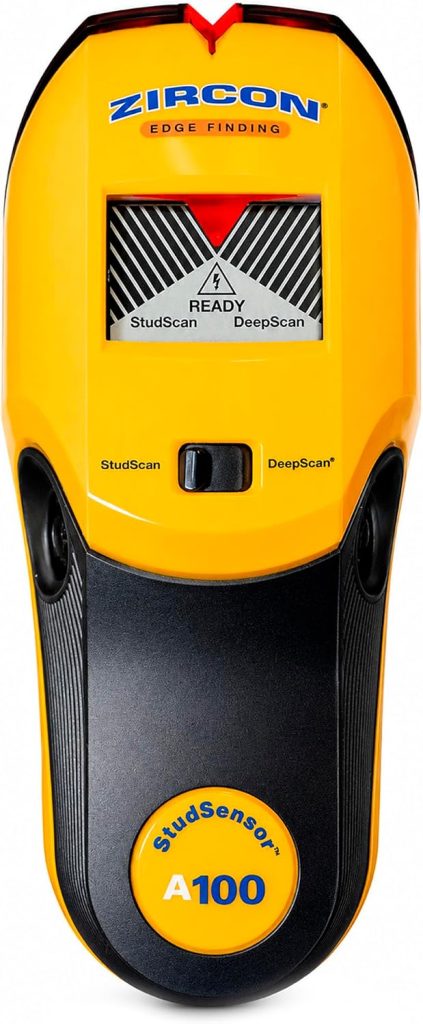
Starting with the Zircon StudSensor e50, this tool stands out for its simplicity and efficiency in detecting the edges of wood and metal studs. It’s the perfect ally for those who need a reliable gadget that doesn’t require a steep learning curve.
Pros
- Easy-to-read display with edge detection indicator.
- Detects live AC wires to prevent accidents.
- Automatic calibration for immediate use after turning on.
- Lightweight design makes it easy to handle.
- SpotLite Pointer technology clearly indicates target location.
- Battery status indicator to prevent unexpected power loss.
Cons
- Limited to detecting only edges of studs.
- Performance can vary on textured walls.
Key Features & Benefits
The Zircon StudSensor e50 is an excellent choice for DIY enthusiasts who want to work on home renovations without the fear of drilling into the wrong spots. It features a WireWarning detection that alerts the user to the presence of live unshielded electrical AC wires, ensuring safety during use. The device is also equipped with a deep-scan mode that doubles the scanning depth for surfaces like panelled walls.
Another advantage is its one-button operation. Whether you’re scanning for studs or live wiring, the process is intuitive and user-friendly. This makes the e50 particularly appealing for those who prefer straightforward gadgets that perform well without unnecessary complications.
Bosch Digital Multi-Scanner GMS120
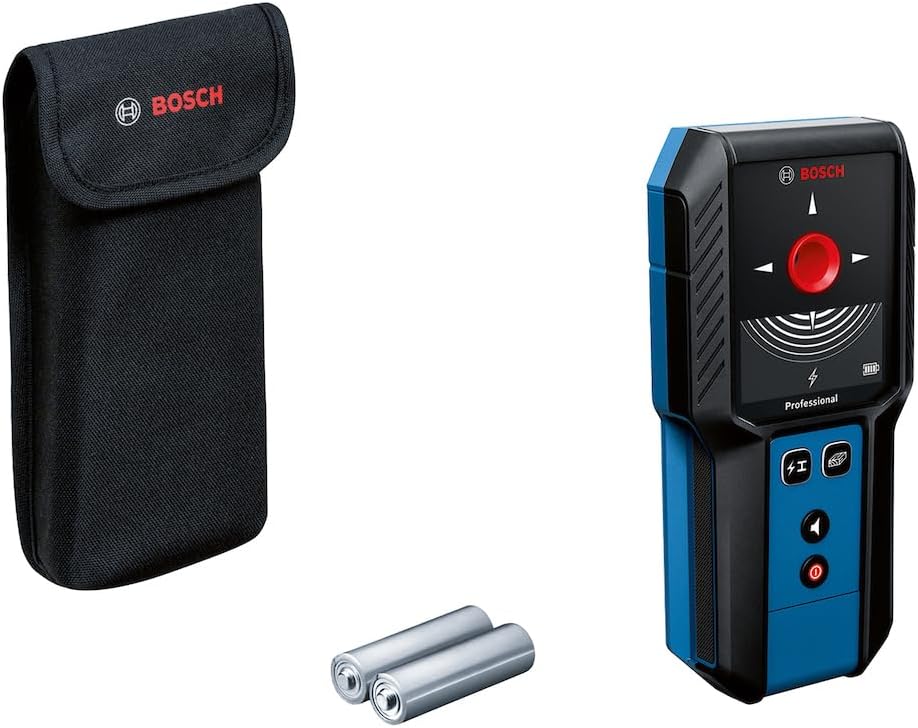
The Bosch GMS120 Digital Multi-Scanner is a powerhouse when it comes to functionality. It not only finds wooden studs but is also capable of detecting metal objects and live wiring.
Pros
- Multimode detection for wood studs, metal objects, and live wiring.
- High accuracy with automatic calibration.
- Large, illuminated graphical LCD display for easy reading.
- Robust rubber over-molding for better grip and protection from drops.
- Includes a marking hole for pinpointing with precision.
Cons
- Higher price point might not suit all budgets.
- Can be overly sensitive, leading to false positives.
Key Features & Benefits
If versatility and professional accuracy are what you seek, the Bosch GMS120 could be your go-to device. Its multimode capability allows the tool to function as more than just a stud finder, providing reliable detection of various materials behind walls. The tool’s Center Finder technology helps in locating the center of the stud with great precision, which is beneficial for both minor home adjustments and major renovations.
Durability is also a hallmark of the GMS120. The robust design ensures that it can withstand the rough and tumble of construction work. Coupled with a dust-protected and water-resistant housing, this stud finder is built to last and perform in any environment, making it an excellent investment for serious DIYers and professional users alike.
How to Choose the Right Stud Finder: Essential Tools for Home Improvement Projects
Choosing the right stud finder isn’t about picking the most expensive or the most feature-packed model—it’s about finding the right tool for your specific needs. Consider the following:
- Compatibility: Check whether the stud finder is suitable for the types of walls in your home (drywall, plaster, wood, etc.).
- Performance: Look for a stud finder that offers accurate and consistent readings. If you’re a professional, precision might be your top priority.
- Features: Decide which features are necessary for your projects, such as deep scanning capabilities or the ability to detect live electrical wiring.
- Budget: Set a realistic budget based on how frequently you intend to use the stud finder. Occasional home use might not require a very sophisticated model.
- Ease of use: A user-friendly interface can significantly enhance your project experience, especially for those who are less tech-savvy.
- Portability: If you need to carry your tool to various job sites, look for a compact, lightweight model.
FAQ
- Can stud finders detect anything behind walls? Most advanced stud finders can detect wood and metal studs, pipes, and sometimes electrical lines. However, their ability to detect other items varies by model.
- Are there stud finders that don’t require calibration? Yes, some models start scanning immediately without the need for lengthy calibration procedures.
- How accurate are stud finders? The accuracy can depend on the model and the wall conditions, but high-quality stud finders are generally quite accurate.
- Can I use a stud finder on ceilings? Yes, many stud finders work on both walls and ceilings for full versatility.
- Do all stud finders detect live wires? Not all, but many higher-end models include the capability to detect live AC wires as an added safety feature.
- What’s the best stud finder for thick walls? Look for models that offer deep scan modes. They are more capable of detecting studs through thicker walls.
Conclusion
Whether you’re hanging a simple picture frame or embarking on a full-scale renovation, a reliable stud finder is a must-have in your toolkit. It not only enhances the quality of your work but also ensures safety by helping you avoid hidden dangers within walls. Consider your specific needs and budget when choosing a model, and remember that the right tool will always feel like it was made just for you. Take the time to review some of the recommended models above, and equip yourself with the right stud finder to tackle your next home improvement project with confidence.