DeWalt vs. Makita Circular Saw: A Comprehensive Review for Efficient Cutting Solutions
Have you ever found yourself standing in the tool aisle, feeling overwhelmed by the array of cutting tools staring back at you? Choosing the right circular saw can be daunting with so many options available. If you’re indecisive between DeWalt and Makita circular saws, this detailed review is tailored to ease your selection process. Here we will unpack everything from design and performance to maintenance, helping you make a knowledgeable decision that suits your needs and budget.
Quick Overview of Both Products
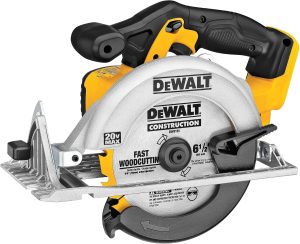
DeWalt Circular Saws: Known for their robust construction and high performance, DeWalt saws are favored by many professionals and DIY enthusiasts. These saws usually have powerful motors and are designed for heavy-duty applications.
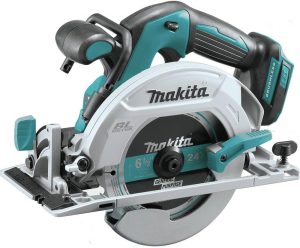
Makita Circular Saws: Makita is celebrated for its innovative technology and compact designs. These saws are typically lighter than their DeWalt counterparts and are appreciated for their ease of use and precision.
Who Each Product Is Designed For
- DeWalt: Ideal for professionals and those undertaking serious DIY projects where power and durability are paramount.
- Makita: Best suited for both home DIY users and professionals who value portability and high precision in moderate to heavy applications.
Side-by-Side Comparison Table
| Feature | DeWalt | Makita |
|---|---|---|
| Motor Power | High (15 Amps) | Moderate to High (13-15 Amps) |
| Weight | Heavier | Lighter |
| Durability | Extremely Durable | Very Durable |
| Ease of Use | Good | Excellent |
| Price | Slightly Higher | Slightly Lower |
| Best For | Heavy-Duty Usage | Versatility in Applications |
Design and Build Quality
DeWalt saws are designed with a rugged look and feel, typically sporting a yellow and black color scheme that signifies durability. These saws are built to withstand tough conditions, making them slightly bulkier. Makita saws, on the other hand, feature a more compact design which often makes them lighter and easier to maneuver, especially in tight spaces.
Features Comparison
DeWalt saws often come equipped with high-capacity motors that drive blades through even the toughest materials. They also feature electric brakes and blade guards for enhanced safety.
Makita saws excel in battery technology, especially in their cordless models. They incorporate features like automatic speed change to adjust cutting speed and torque during operation for optimum performance.
Performance Comparison
In terms of cutting power, DeWalt takes the lead with its powerful motors, ensuring quick and efficient work of dense materials. However, Makita saws provide smoother cuts with less effort, particularly evident in precision work.
Comfort and Ease of Use
Makita shines in ergonomics, with lighter models that reduce fatigue in prolonged use. The handles and grips are designed to fit comfortably in the hand. DeWalt’s heavier models might pack power but could prove cumbersome over extensive use.
Durability and Reliability
Both brands build saws to last; however, DeWalt has a slight edge in durability, often chosen for more demanding work environments. Makita is reliable under regular conditions, but may face wear quicker under heavy use.
Maintenance and Warranty
DeWalt and Makita offer solid warranties and are known for good customer service. Regular maintenance like blade cleaning and replacement is straightforward for both brands.
Price and Value for Money
DeWalt saws are typically pricier due to their robust build and power, but they often justify the cost for heavy users. Makita offers a more budget-friendly price point with nearly similar features, making it a great value for money.
Pros and Cons of Each Product
DeWalt Pros:
- Powerful motor
- High durability
- Suitable for heavy-duty tasks
DeWalt Cons:
- Heavier, which might affect usage comfort
- Pricier
Makita Pros:
- Lightweight for ease of use
- Great precision
- Affordable
Makita Cons:
- Less suited for very heavy-duty tasks
- Might wear faster under intense use
Which Product Is Best for Beginners
For beginners, Makita’s lighter and easier-to-handle tools are ideal, offering sufficient power for most starter projects without overwhelming the new user.
Which Product Is Best for Advanced Users
Advanced users will appreciate DeWalt’s high-power output and durability for tackling complex and heavy-duty projects.
Which Product Offers the Best Value
For general use including home and light professional tasks, Makita offers the best value in terms of price, performance, and ease of use.
Common Mistakes Buyers Make When Choosing Between These Products
- Overestimating needs: Some buyers opt for more power than necessary, leading to harder handling.
- Ignoring weight and size: Not considering how the size and weight of the saw will affect their use.
Frequently Asked Questions (FAQ)
Q1: Can I use DeWalt blades in a Makita saw?
A: It’s best to use blades designed for your model for optimal performance.
Q2: Are both brands good for all materials?
A: Yes, but check specifications for the best blade type for different materials.
Final Verdict: Which Should You Buy?
To make the right choice:
- Beginners and those needing a more manageable saw should consider Makita for its ease of use and versatility.
- Professionals facing tough, frequent projects will find DeWalt’s robust construction and power more beneficial.
- For those on a budget or needing good value for varied applications, Makita also stands out.
Deciding between a DeWalt and a Makita circular saw depends heavily on your unique demands and how you balance cost against performance, durability, and ease of use. Careful consideration will help you choose the tool that best fits your work, leading to years of efficient and satisfying projects. Happy sawing!